

Self-Regulation
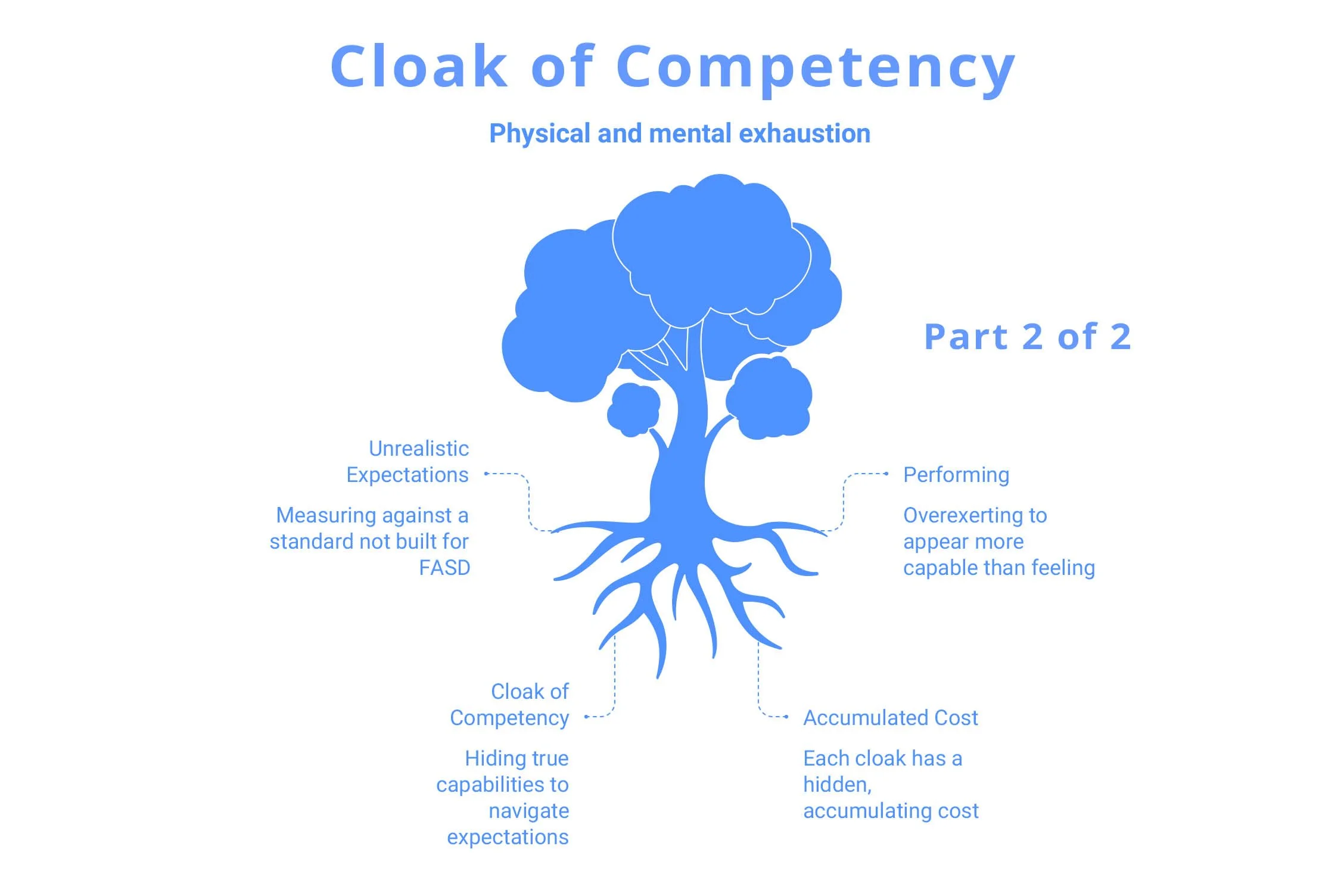
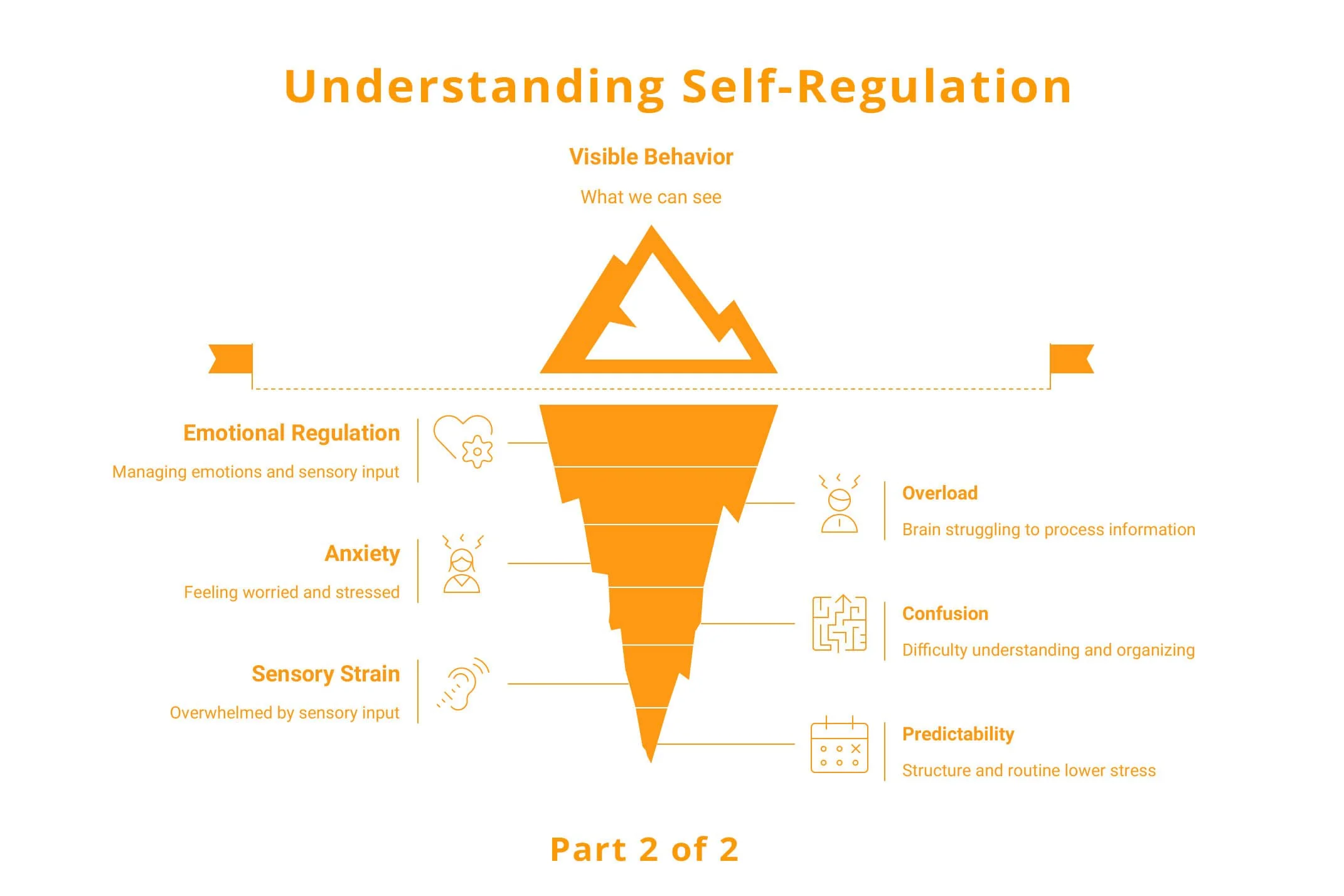
From visual schedules and concrete language to the power of co-regulation, supporting a neurodiverse teen at home requires a practical toolkit. In part two, Joel Sheagren breaks down how to recognize patterns before a meltdown occurs and why "borrowing calm" is the first step toward independence. Learn how to implement movement breaks, reflective listening, and role-playing to create a steadier home environment.
Self-Regulation
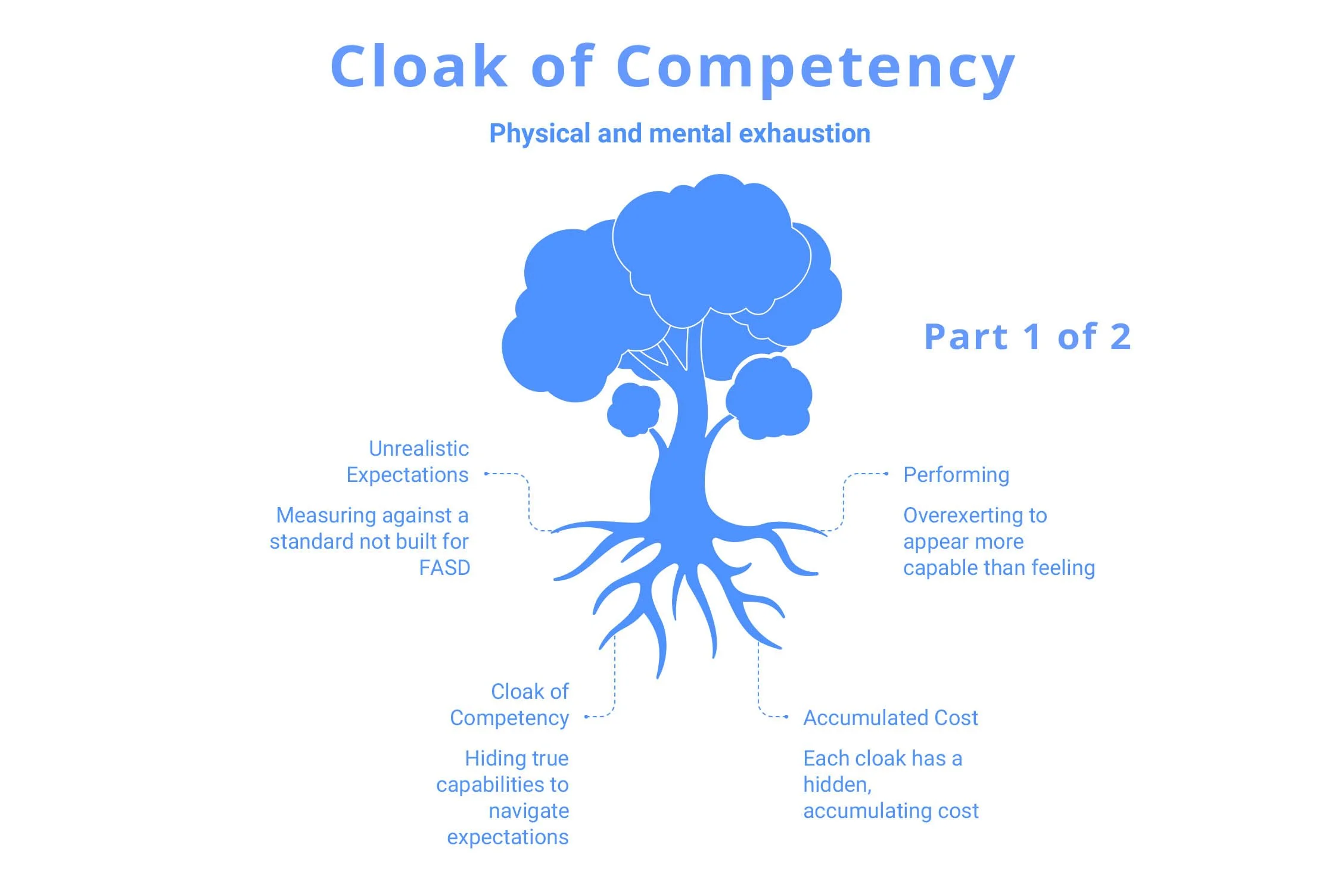
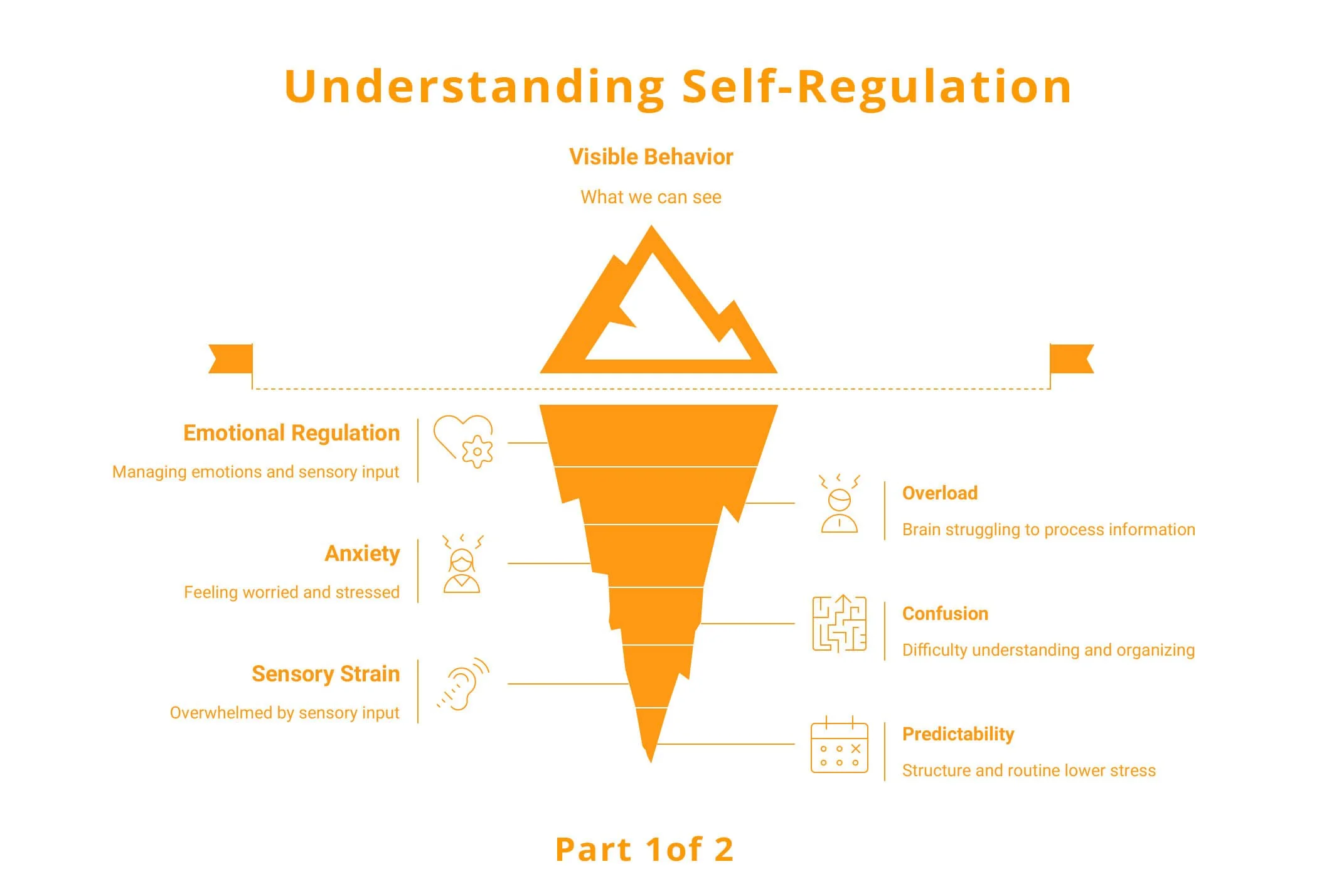
Self-regulation isn’t about character—it’s about how the brain processes stress, sensory input, and transitions. In part one of a two-part post, Joel Sheagren explores why neurodiverse children struggle to "manage the moment" and how parents can use structure, co-regulation, and reflective listening to lower the emotional temperature at home. Learn to look beneath the surface and see behavior as communication.

487 gal. of coffee & a lot of hope.
It took 18 months of Zoom calls, a chance meeting ten years ago, and at least 487.5 gallons of coffee to bring this mission to life. We’re two dads—one in Minnesota, one in North Dakota—who believe that understanding changes everything. We’re trading the clinical labels for hope, practical strategies, and the kind of "real" that actually helps on a Tuesday morning.